Culture of Pakistan is based in the Indo-Persian cultural matrix that constitutes a foundation plank of South Asian Muslim identity. The region has formed a distinct cultural unit within the main cultural complex of South Asia, Middle East and Central Asia.There are differences in culture among the different ethnic groups in matters such as dress, food, and religion, especially where pre-Islamic customs differ from Islamic practices. The existence of Pakistan as an Islamic state since 1956 has led to the large-scale injection of Islam into most aspects of Pakistani culture and everyday life, which has accordingly affected the historical values and traditions of the Muslim-majority population. Marriages and other major events are significantly affected by regional differences in culture, but generally follow Islamic jurisprudence where required. Civil society in Pakistan is largely hierarchical, emphasising local cultural etiquette and traditional Islamic values that govern personal and political life. The basic family unit is the extended family, although for socio-economic reasons there has been a growing trend towards nuclear families.
Pakistan has literature in Urdu, Sindhi, Punjabi, Pashto, Balochi, Persian, English, and many other languages.The Pakistan Academy of Letters is a large literary community that promotes literature and poetry in Pakistan and abroad.The National Library publishes and promotes literature in the country. Before the 19th century, Pakistani literature consisted mainly of lyric and religious poetry and mystical and folkloric works. During the colonial period, native literary figures were influenced by western literary realism and took up increasingly varied topics and narrative forms. Prose fiction is now very popular. Ideas from British and American philosophy greatly shaped philosophical development in Pakistan. Analysts such as M. M. Sharif and Zafar Hassan established the first major Pakistani philosophical movement in 1947. After the 1971 war, philosophers such as Jalaludin Abdur Rahim, Gianchandani, and Malik Khalid incorporated Marxism into Pakistan's philosophical thinking. Influential work by Manzoor Ahmad, Jaun Elia, Hasan Askari Rizvi, and Abdul Khaliq brought mainstream social, political, and analytical philosophy to the fore in academia.
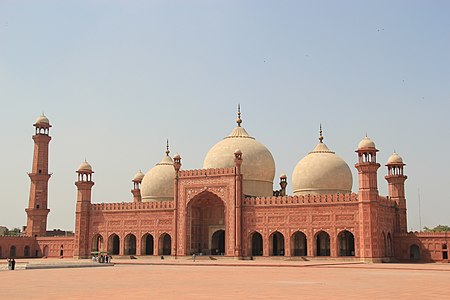
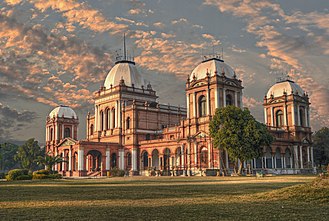
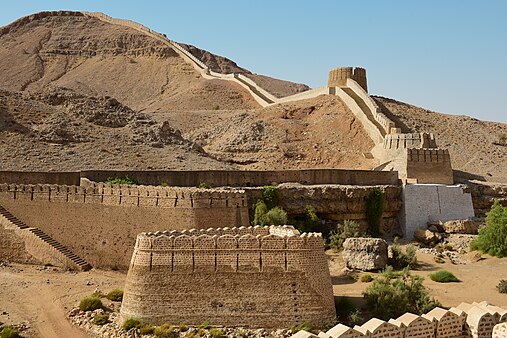
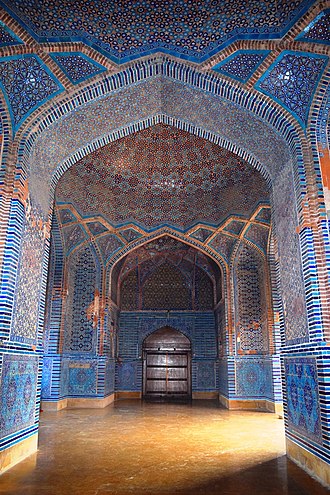
Four periods are recognised in Pakistani architecture: pre-Islamic, Islamic, colonial, and post-colonial. With the beginning of the Indus civilization around the middle of the 3rd millennium BCE,[23] an advanced urban culture developed for the first time in the region, with large buildings, some of which survive to this day. Mohenjo Daro, Harappa, and Kot Diji are among the pre-Islamic settlements that are now tourist attractions. The rise of Buddhism and the influence of Greek civilisation led to the development of a Greco-Buddhist style, starting from the 1st century CE. The high point of this era was the Gandhara style. An example of Buddhist architecture is the ruins of the Buddhist monastery Takht-i-Bahi in Khyber Pakhtunkhwa. The arrival of Islam in what is today Pakistan meant the sudden end of Buddhist architecture in the area and a smooth transition to the predominantly pictureless Islamic architecture. n the British colonial period, predominantly functional buildings of the Indo-European representative style developed from a mixture of European and Indian-Islamic components. Post-colonial national identity is expressed in modern structures such as the:
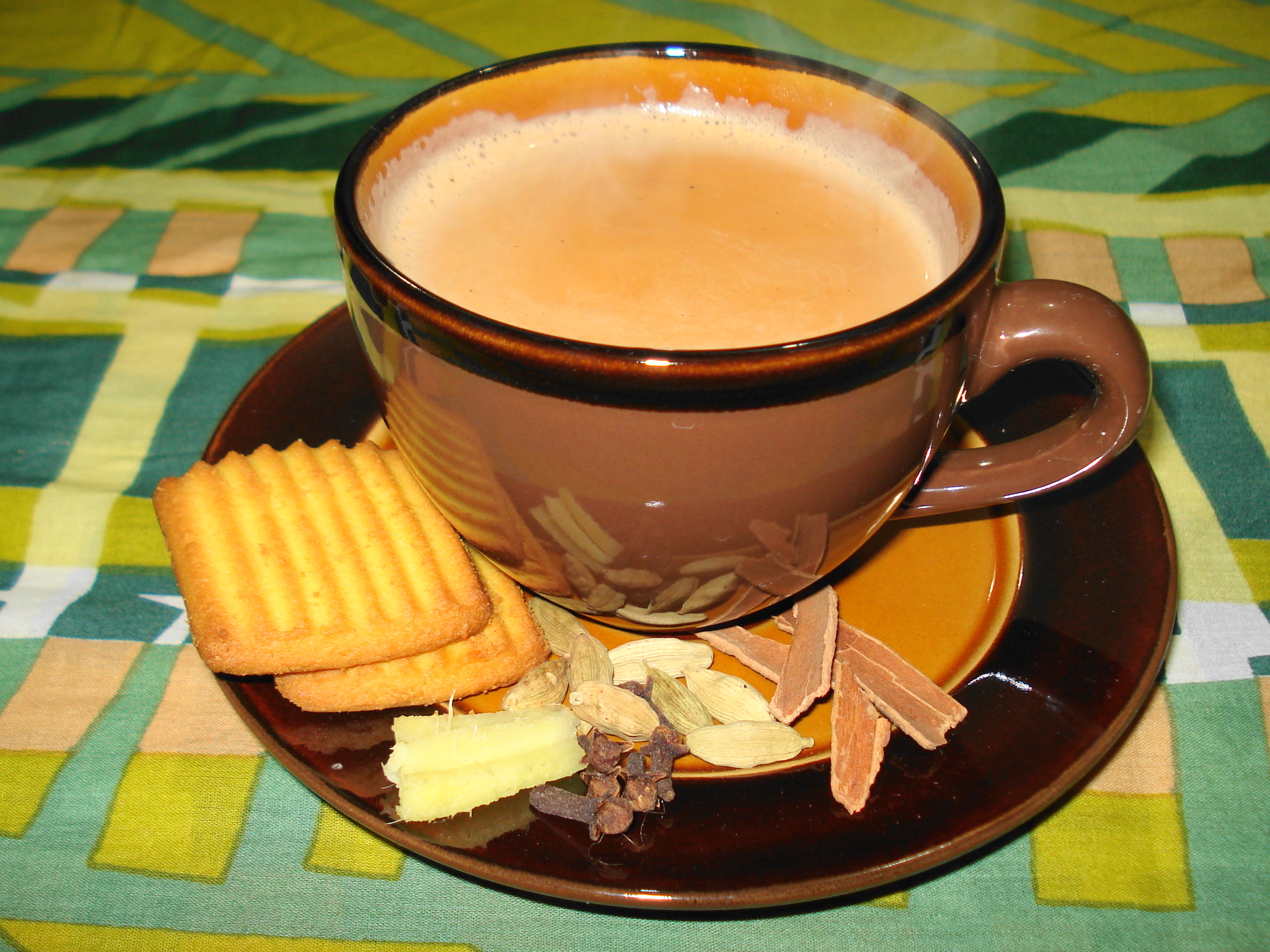
Black tea with milk and sugar is popular throughout Pakistan and is consumed daily by most of the population. The consumption of tea in Pakistan, called chai (چائے), in Urdu, is of central significance to Pakistani culture. It is one of the most consumed beverages in Pakistani cuisine. Pakistan produces its own limited tea in Shinkiari farms; however, it ranks as the third largest importer of tea in the world.In 2003, as much as 109,000 tonnes of tea were consumed in Pakistan, ranking it at seven on the list of tea-consuming countries in the world. The name for Three Cups of Tea, a bestselling book by American mountaineer and educator Greg Mortenson, is taken from the Balti proverb in northern Pakistan: "The first time you share tea with a Balti, you are a stranger. The second time you take tea, you are an honored guest. The third time you share a cup of tea, you become family..." It was popularised as a recreational drink during the Chinese Tang dynasty, and tea drinking subsequently spread to other East Asian countries.During the 17th century, drinking tea became fashionable among the English, who started to plant tea on a large scale in British India.
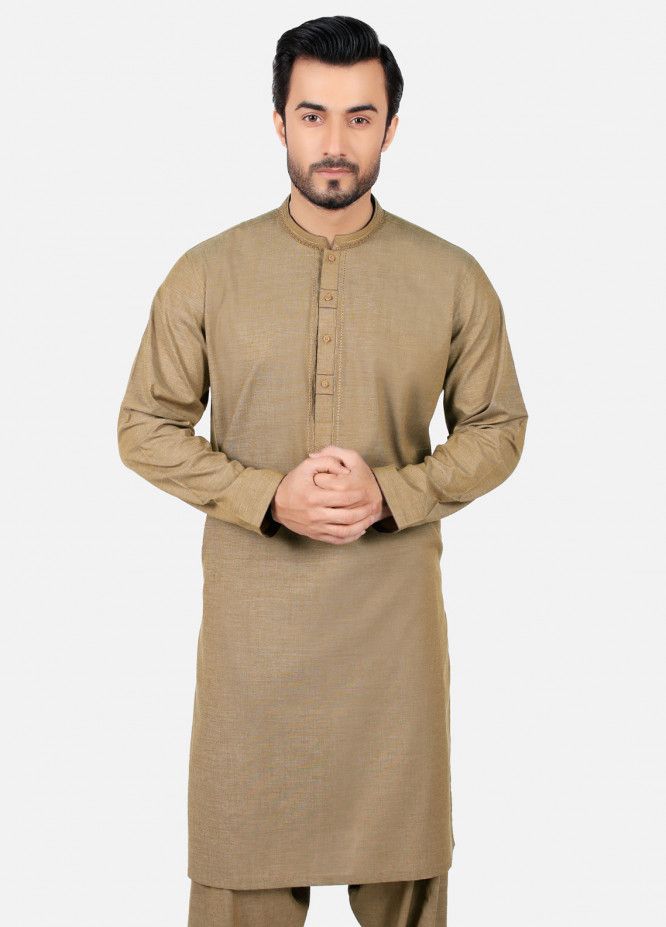
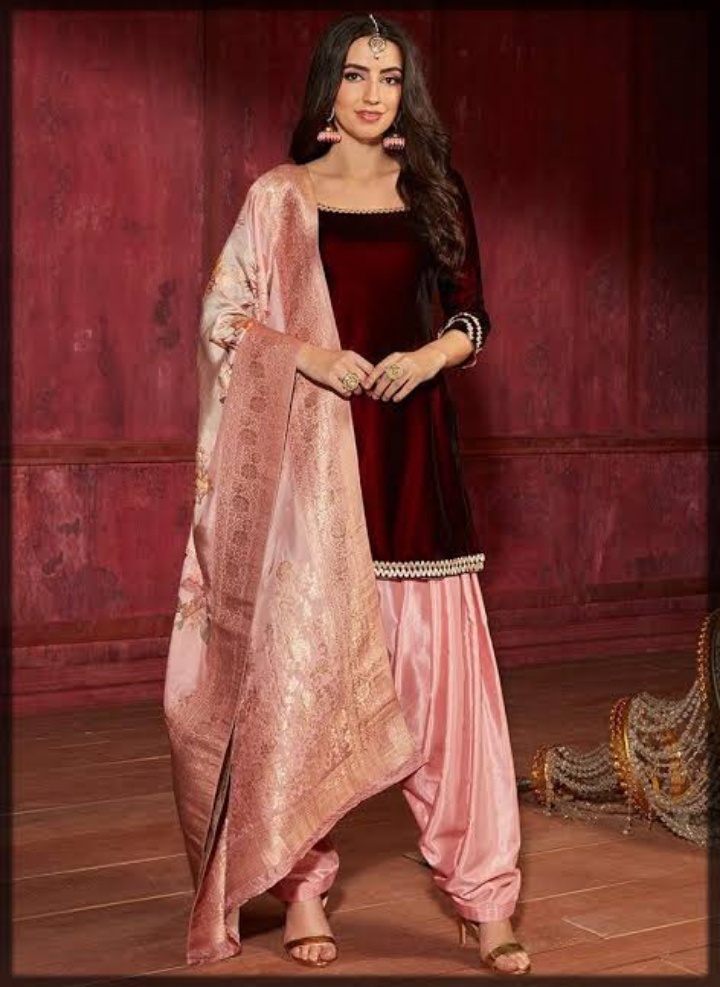
The national dress of Pakistan is the Persian origin shalwar kameez, a unisex garment widely-worn around South Asia and national dress,of Pakistan. When women wear the shalwar-kameez in some regions, they usually wear a long scarf or shawl called a dupatta around the head or neck. The dupatta is also employed as a form of modesty—although it is made of delicate material, it obscures the upper body's contours by passing over the shoulders. For Muslim women, the dupatta is a less stringent alternative to the chador or burqa (see hijab and purdah). Besides the national dress, domestically tailored suits and neckties are often worn by men, and are customary in offices, schools, and social gatherings Since Pakistan came into being, its fashion has evolved in different phases and developed a unique identity. Today, Pakistani fashion is a combination of traditional and modern dress and has become a mark of Pakistani culture. Despite modern trends, regional and traditional forms of dress have developed their own significance as a symbol of native tradition. National Dresses of Pakistan are: