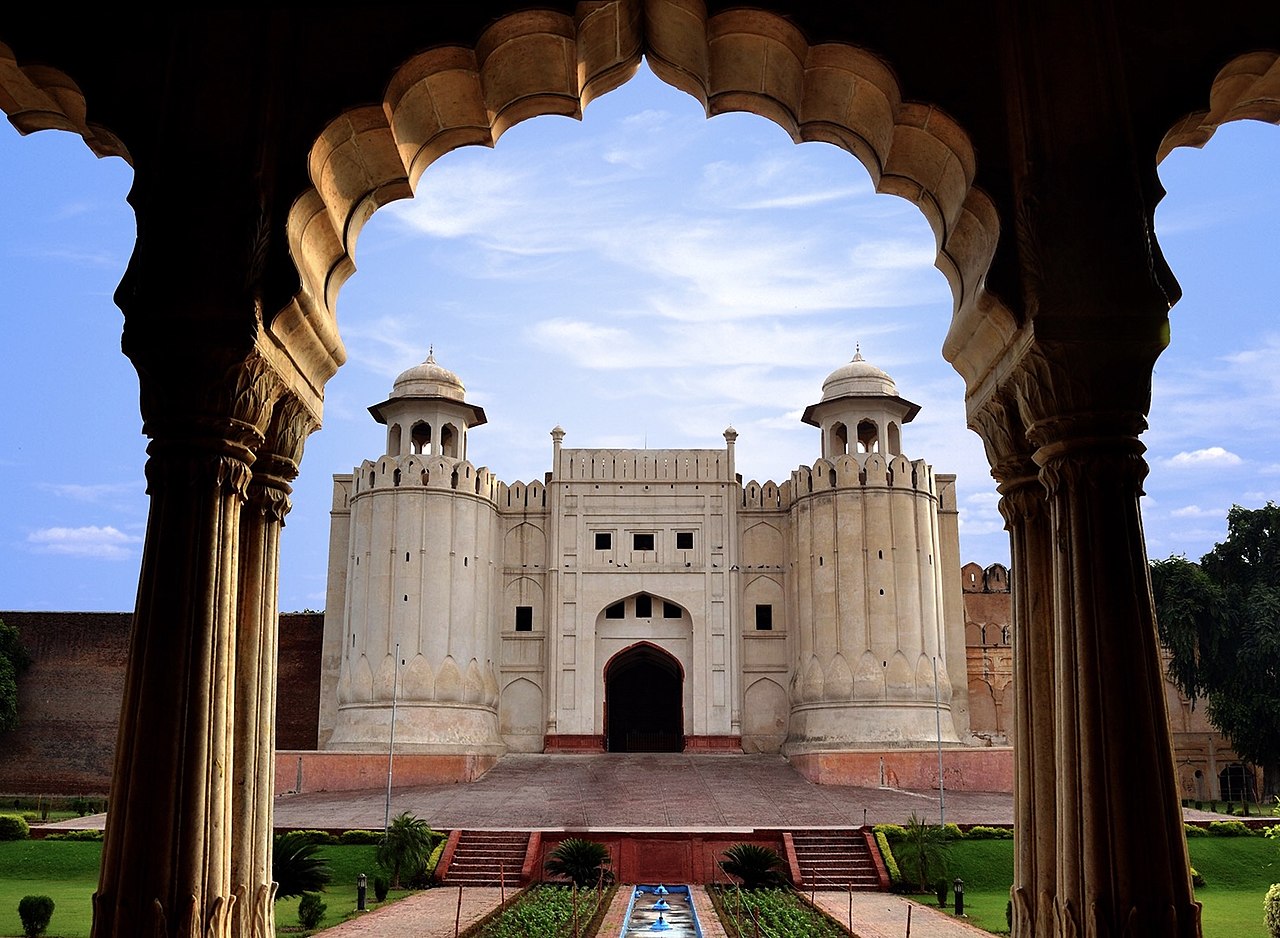
Lahore Fort
Lahore Museum
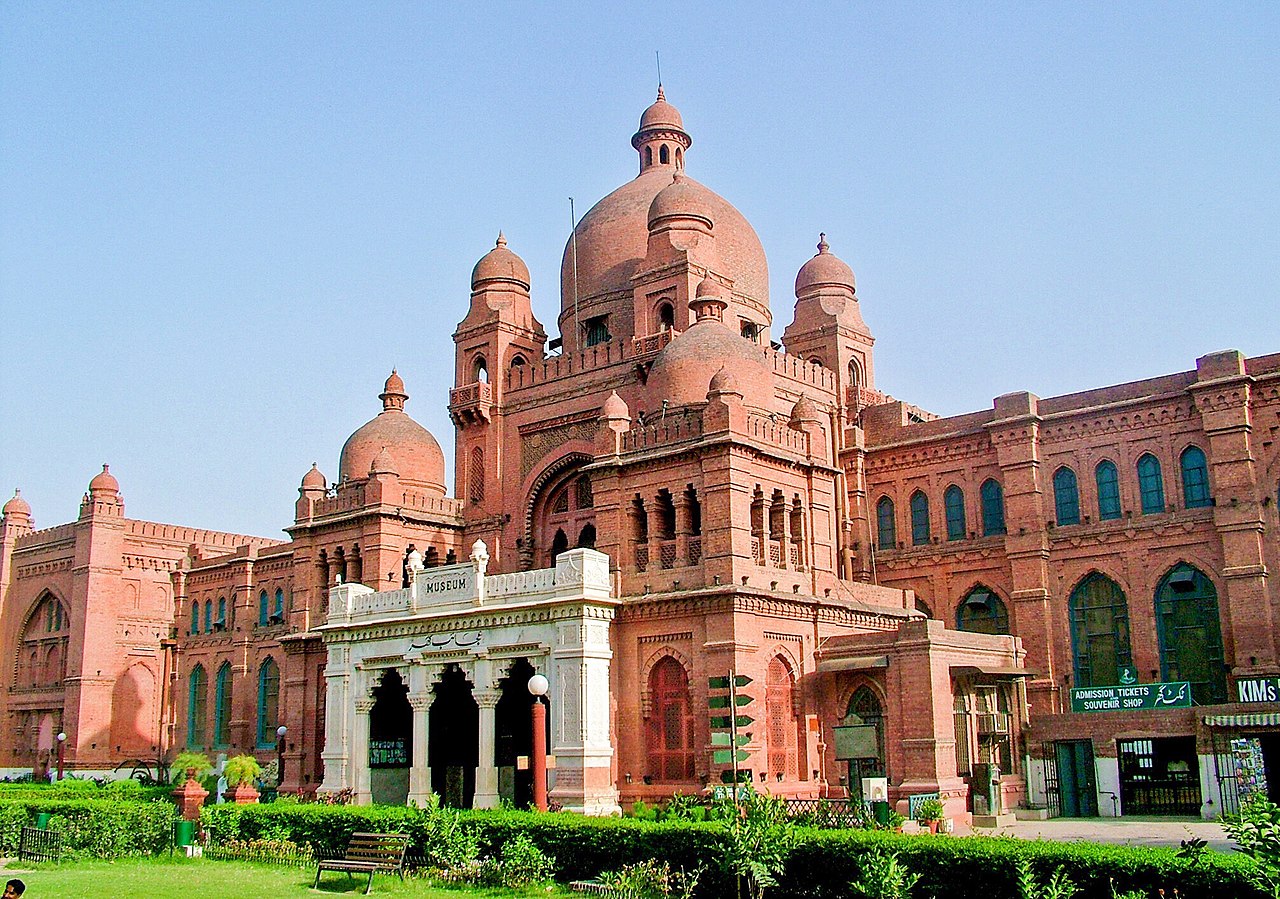
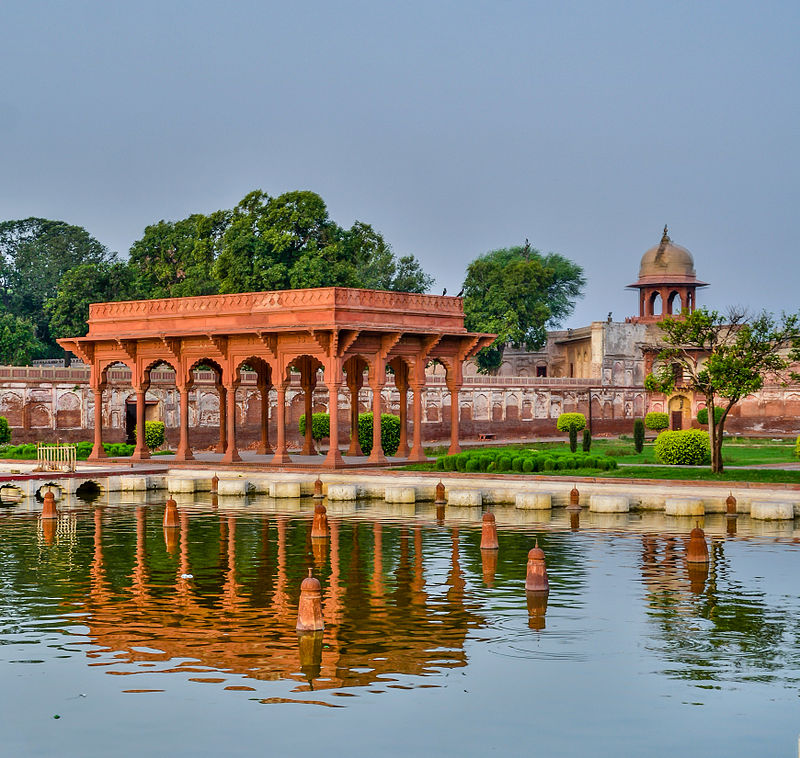
Lahore is the capital and largest city of the Pakistani province of Punjab. It is the second largest city in Pakistan, after Karachi, and 26th largest in the world, with a population of over 13 million.It is located in the north-eastern region of Punjab, along the River Ravi. Lahore's origin dates back to antiquity. The city has been inhabited for around two millennia, although it rose to prominence in the late 10th century. Lahore was the capital of several empires during the medieval era, including the Hindu Shahis, Ghaznavids and Delhi Sultanate. It reached the height of its splendor under the Mughal Empire between the late 16th and early 18th centuries and also served as its capital city for many years. During this period, it was one of the largest cities in the medieval world. The city was captured by the forces of the Afsharid ruler Nader Shah in 1739. Although the Mughal authority was re-established, it fell into a period of decay while being contested among the Afghans and the Sikhs between 1748 and 1798. Lahore eventually became the capital of the Sikh Empire in the early 19th century, regaining some of its lost grandeur. Lahore was annexed to the British Raj in 1849 and became the capital of British Punjab.Lahore was central to the independence movements of both India and Pakistan, with the city being the site of both the Declaration of Indian Independence and the resolution calling for the establishment of Pakistan. It experienced some of the worst rioting during the Partition period preceding Pakistan's independence.Following the success of the Pakistan Movement and the subsequent partition of British India in 1947, Lahore was declared the capital of Pakistan's Punjab province.
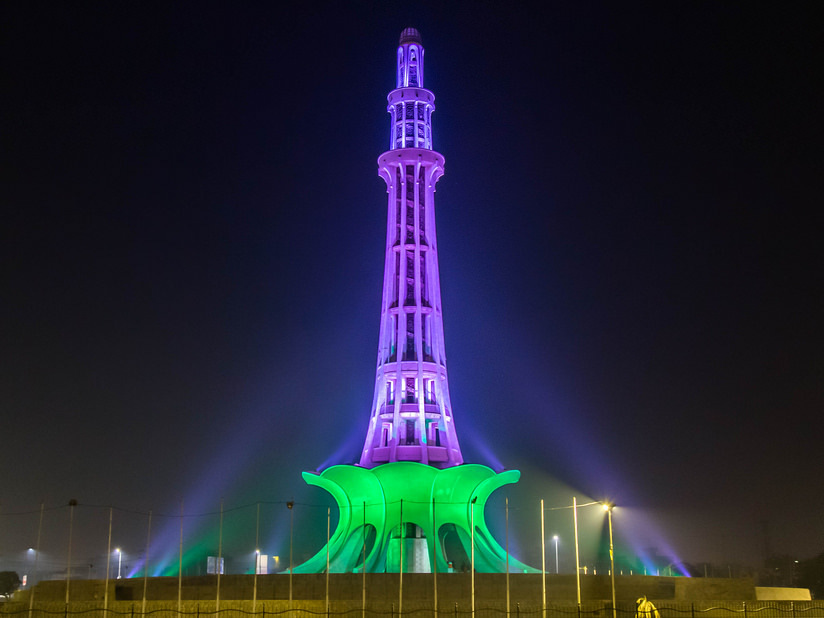
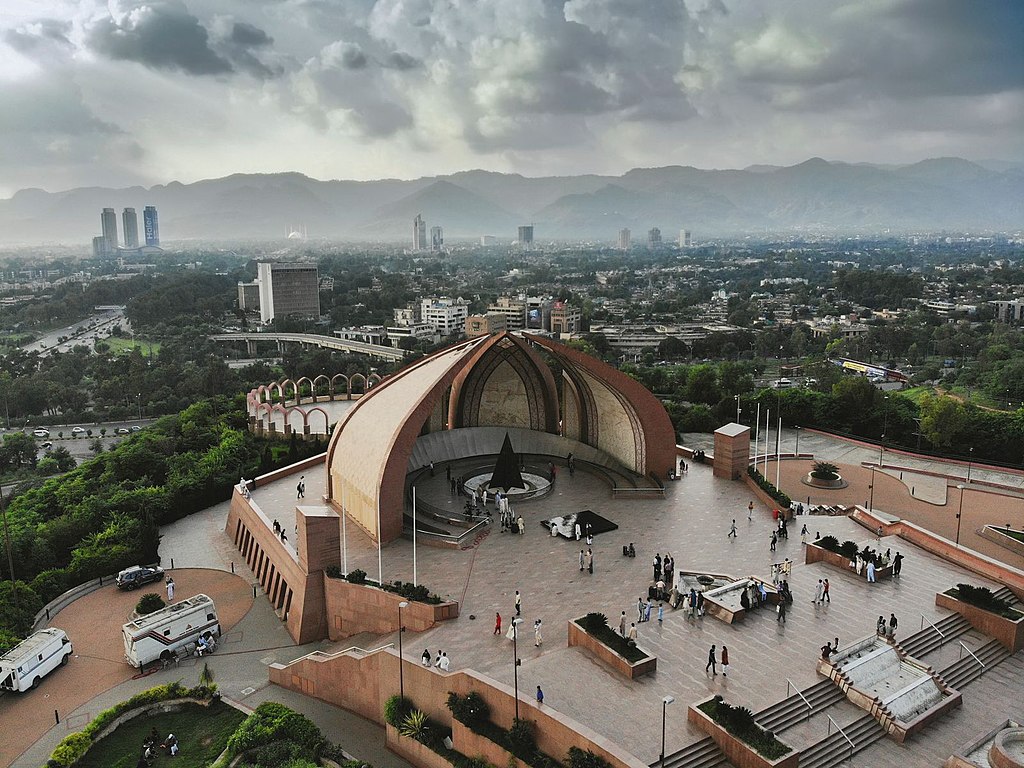
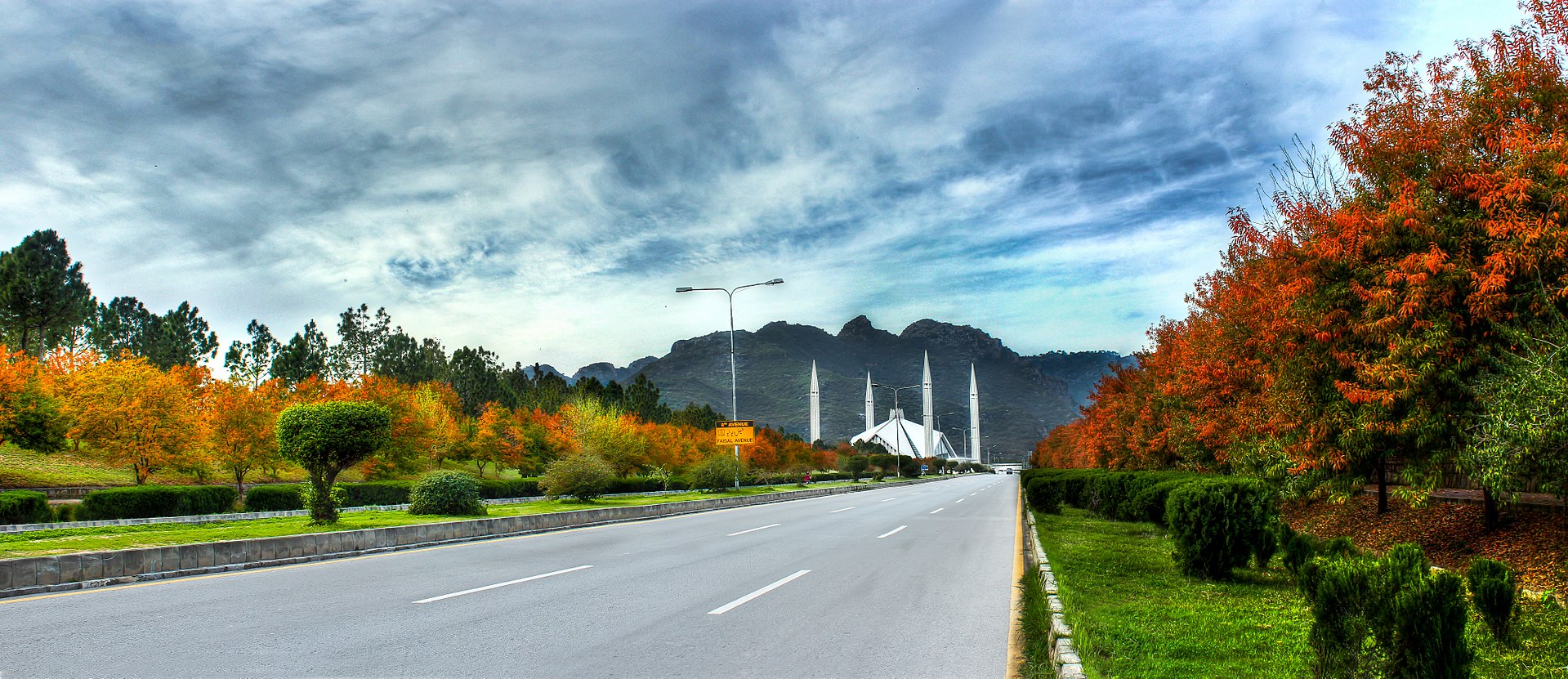
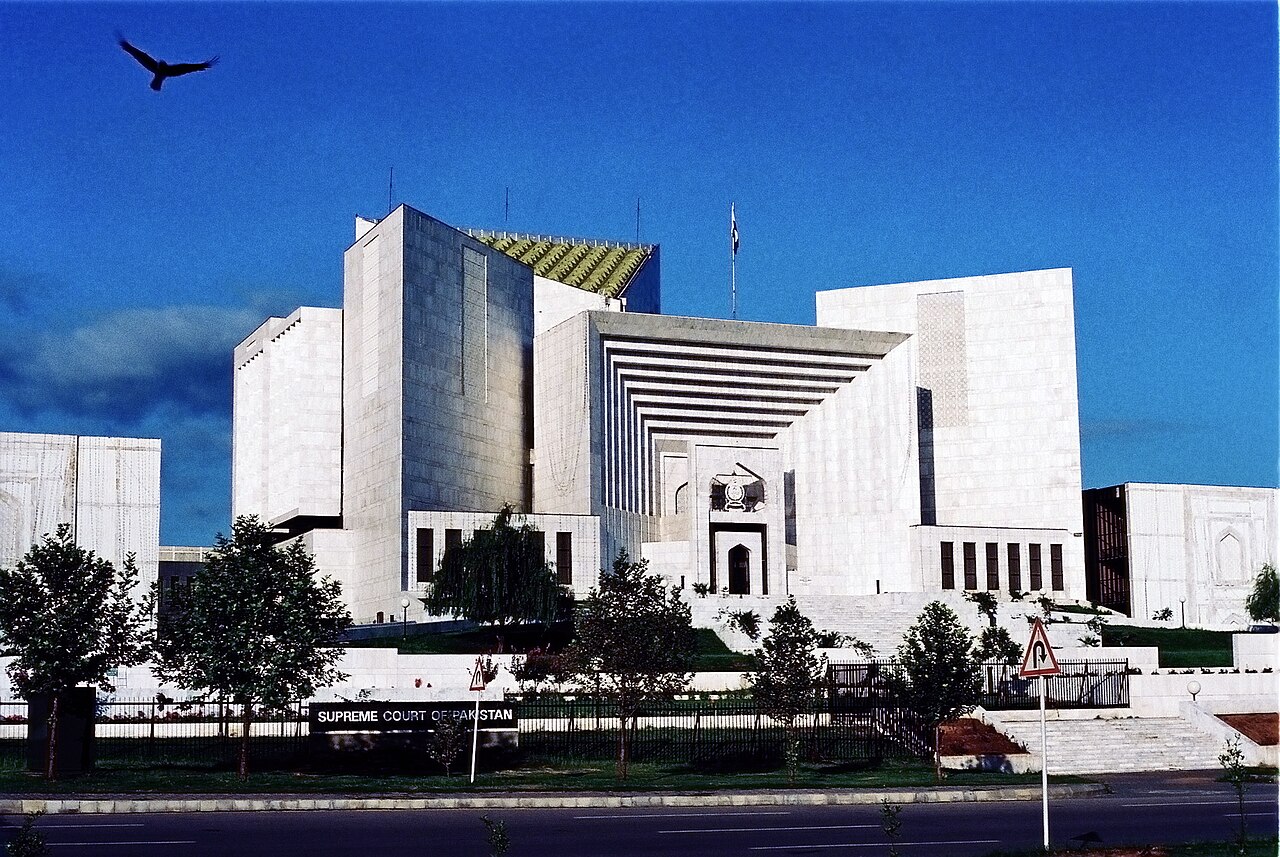
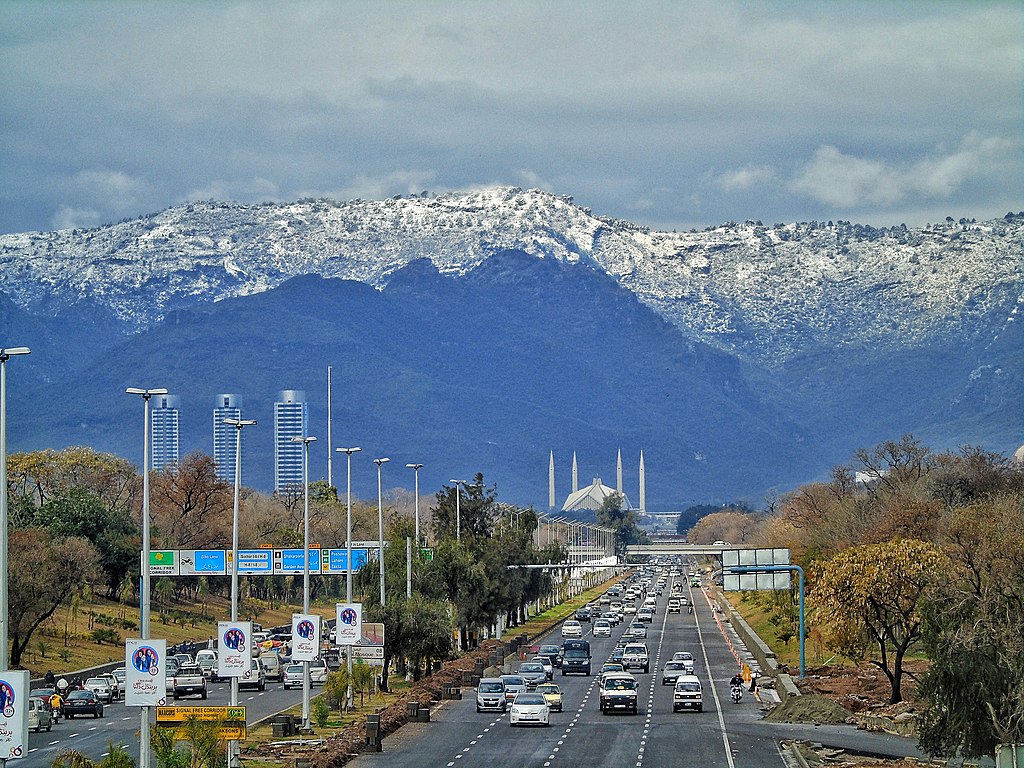
Islamabad is the capital city of the Islamic Republic of Pakistan. It is the country's ninth-most populous city with a population of over 1.2 million people and is federally administered by the Pakistani government as part of the Islamabad Capital Territory. Built as a planned city in the 1960s and established in 1967, it replaced Karachi as Pakistan's official national capital. The Greek architect Constantinos Apostolou Doxiadis developed Islamabad's master plan, in which he divided it into eight zones; administrative, diplomatic enclave, residential areas, educational and industrial sectors, commercial areas, as well as rural and green areas administered by the Islamabad Metropolitan Corporation with support from the Capital Development Authority. Islamabad is known for its parks and forests, including the Margalla Hills National Park and the Shakarparian.It is home to several landmarks, including the country's flagship Faisal Mosque, which is the world's fifth-largest mosque. Other prominent landmarks include the Pakistan Monument and Democracy Square. Rated as Gamma + by the Globalization and World Cities Research Network, Islamabad has the highest cost of living in Pakistan. The city's populace is dominated by both middle and upper-middle class citizens. Islamabad is home to twenty universities, including Bahria University, Quaid-e-Azam University, PIEAS, COMSATS University, and NUST.It is also rated as one of the safest cities in Pakistan and has an expansive RFID-enabled surveillance system with almost 2,000 active CCTV cameras.
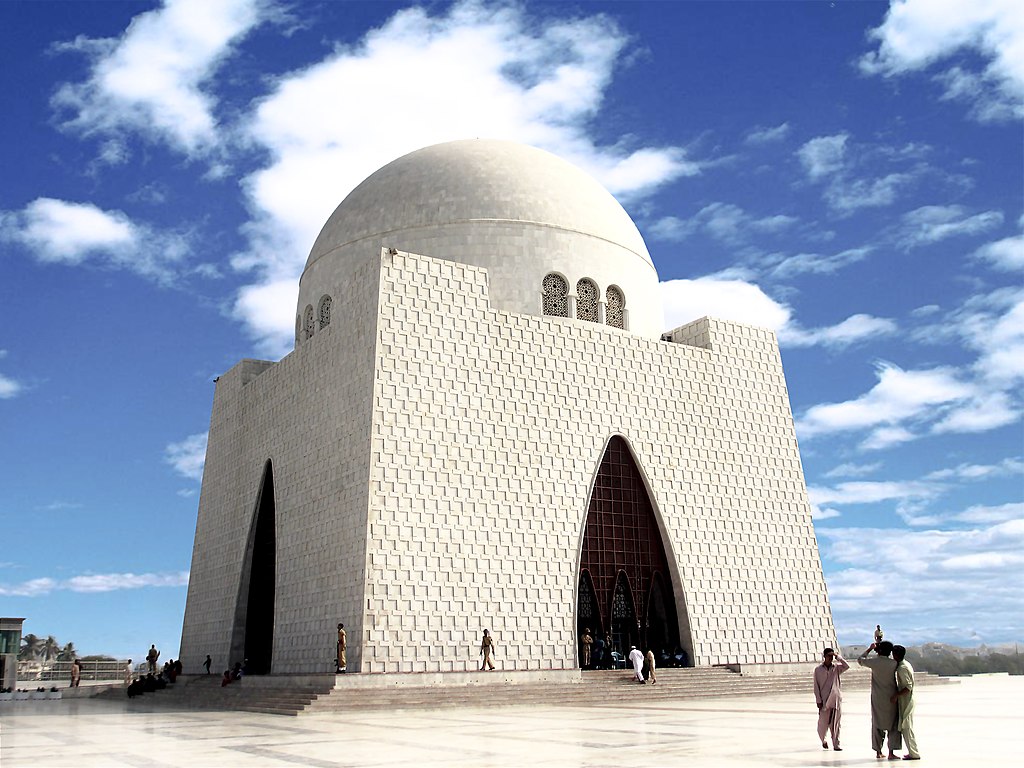
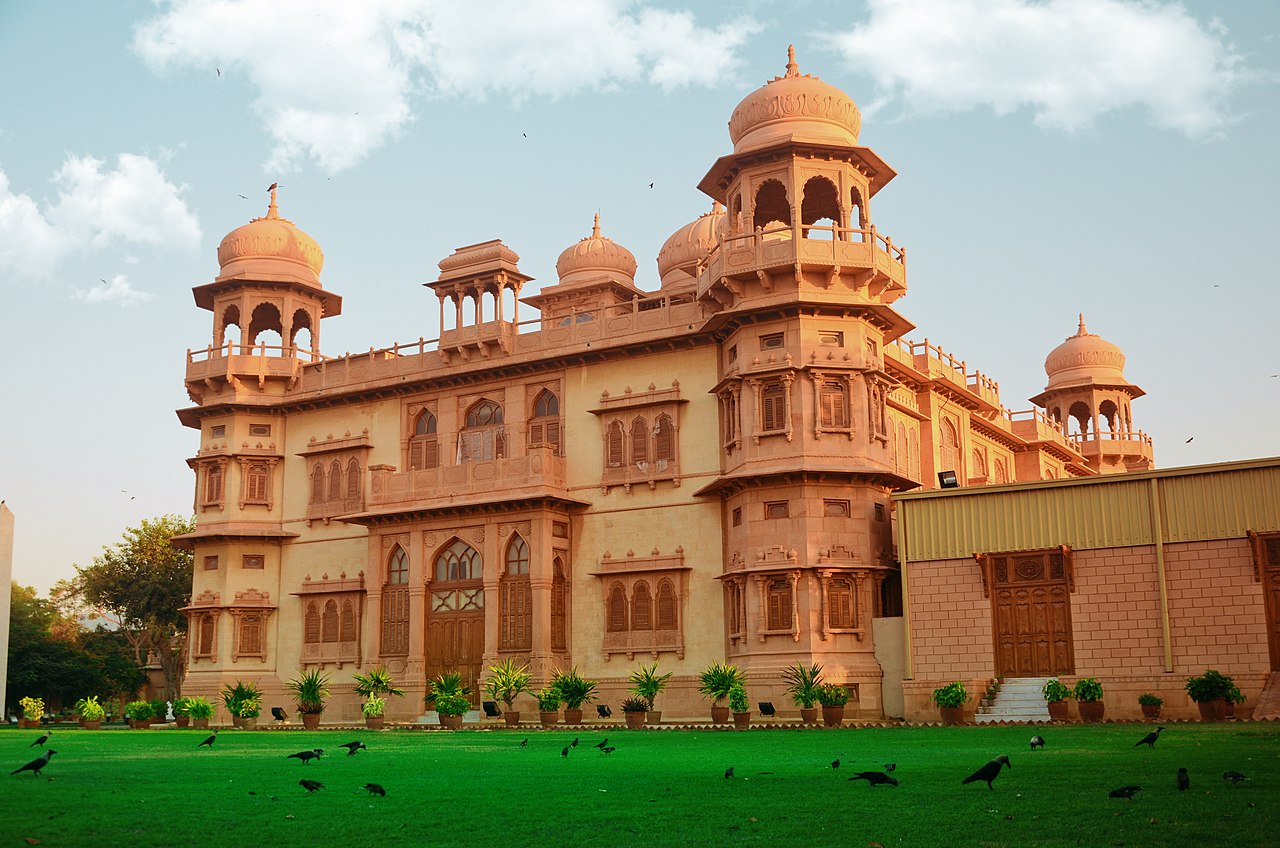
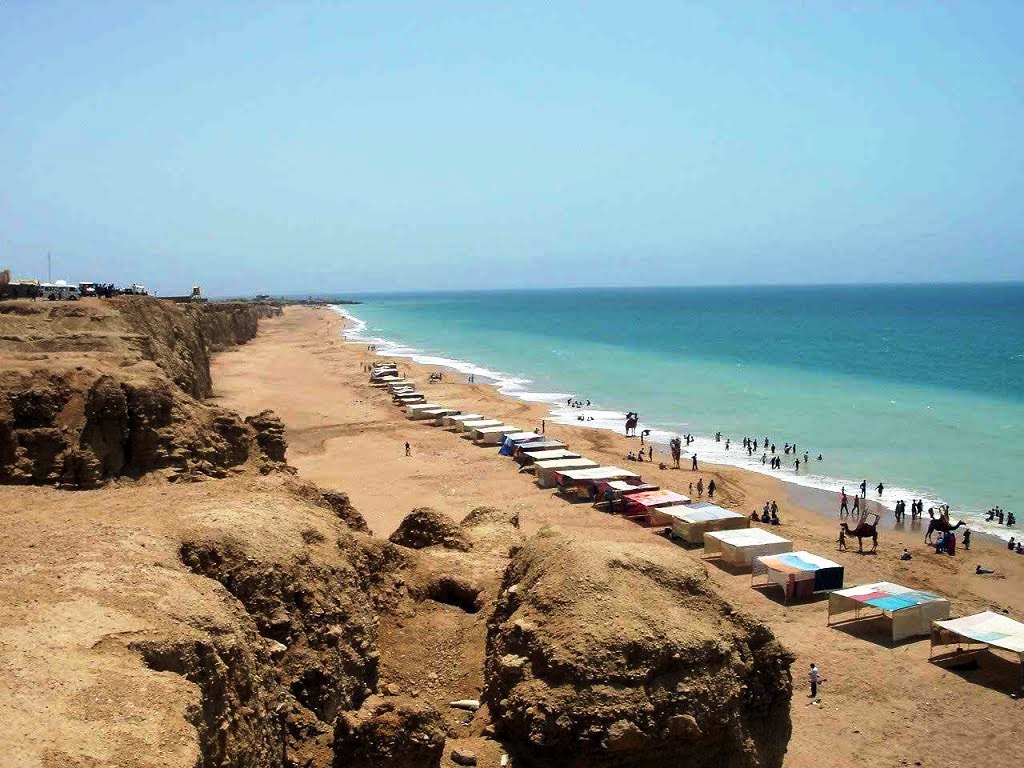
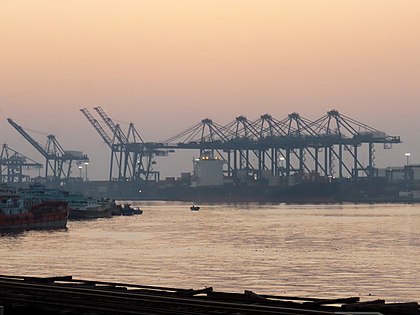
Karachi is the capital city of the Pakistani province of Sindh. It is the largest city in Pakistan and the 12th largest in the world, with a population of over 20 million. It is situated at the southern tip of the country along the Arabian Sea coast and formerly served as the capital of Pakistan. Ranked as a beta-global city, it is Pakistan's premier industrial and financial centre,with an estimated GDP of over $200 billion (PPP) as of 2021. Karachi is considered Pakistan's most cosmopolitan city, and among the country’s most linguistically, ethnically-, and religiously-diverse regions,as well as one of the country’s most progressive and socially liberal cities. The region has been inhabited for millennia, but the city was formally founded as the fortified village of Kolachi as recently as 1729.The settlement greatly increased in importance with the arrival of the East India Company in the mid-19th century. British administrators embarked on substantial projects to transform the city into a major seaport, and connect it with the extensive railway network of the Indian subcontinent.At the time of Pakistan's independence in 1947, the city was the largest in Sindh with an estimated population of 400,000 people. Afterwards, the city experienced a dramatic shift in population and demography with the arrival of hundreds of thousands of Muslim immigrants (Muhajirs) from India,coupled with a substantial exodus of its Hindu residents.The city experienced rapid economic growth following Pakistan's independence, attracting migrants from throughout the country and other regions in South Asia. According to the 2023 Census of Pakistan, Karachi's total population was 20.3 million. Karachi is one of the world's fastest-growing cities, and has significant communities representing almost every ethnic group in Pakistan. Karachi holds more than two million Bengali immigrants, a million Afghan refugees, and up to 400,000 Rohingyas from Myanmar.